
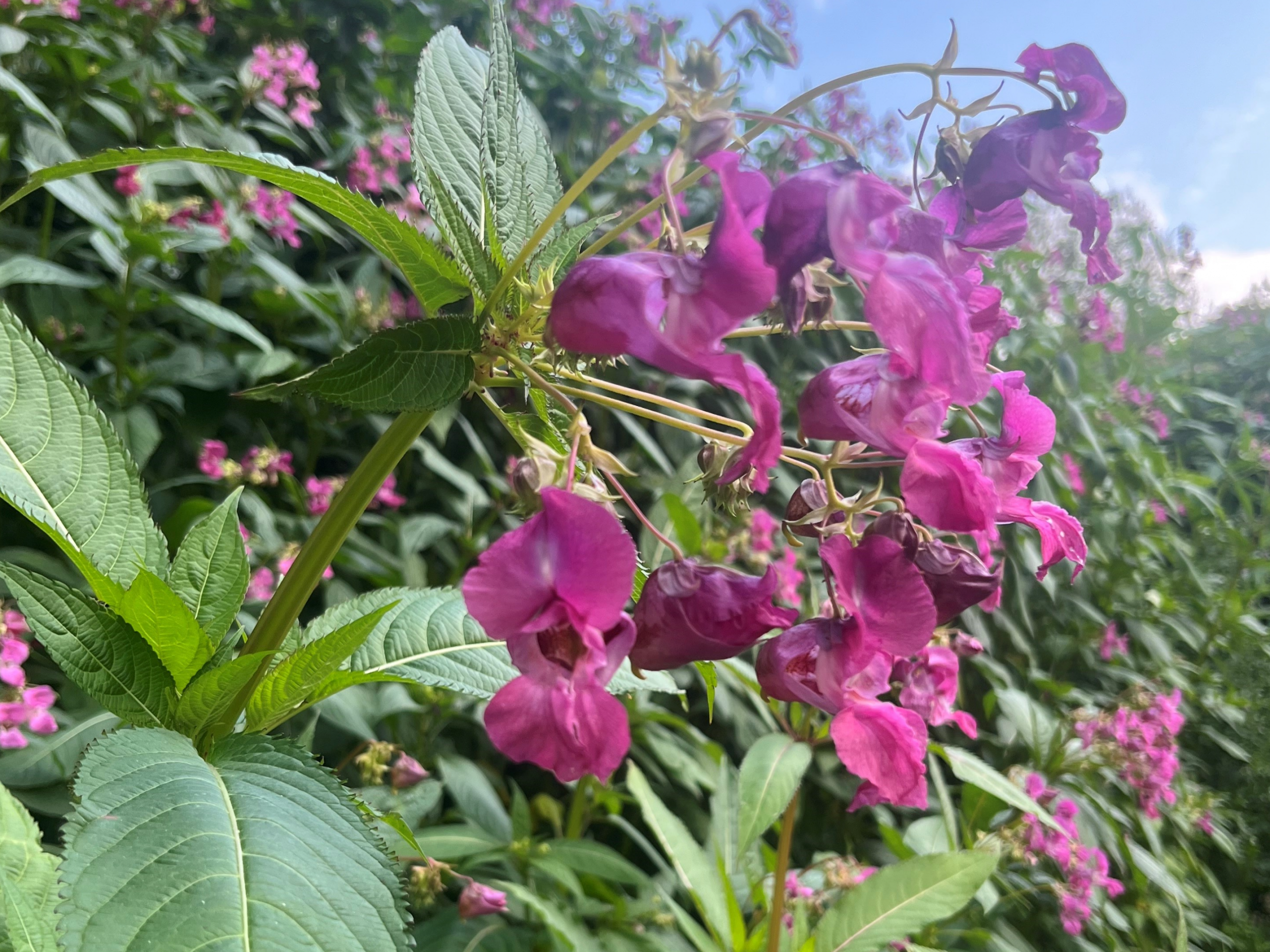
Himalayan balsam
Himalayan balsam is an annual flowering plant that readily colonises riverbanks, forming dense stands that outcompete native vegetation and reduce riparian habitat diversity. As the plant dies back during winter, it leaves riverbanks exposed, increasing vulnerability to erosion and sediment input into watercourses.
At present, manual removal remains the most effective method of control. Management should be undertaken from upstream locations, as seeds are easily dispersed downstream by flowing water. Control is labour-intensive and requires sustained effort over multiple years to achieve long-term reduction. Research is ongoing into the use of rust fungi, a naturally occurring pathogen, as a biological control option for Himalayan balsam.
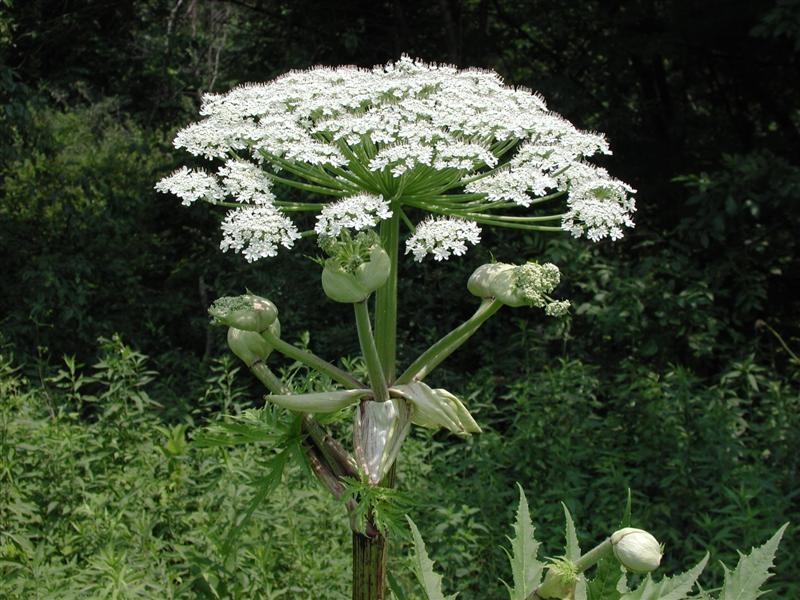
Giant hogweed
Giant hogweed is a tall, flowering plant that is now widespread along riverbanks and other disturbed ground. It forms dense stands that can displace native vegetation, leading to reduced biodiversity and a loss of suitable habitats for wildlife. The species is commonly found along watercourses, where it can dominate riparian areas if left unmanaged. The sap of Giant hogweed is phototoxic and can cause serious skin irritation. When exposed to sunlight, contact with the sap may result in blistering and burns, which in some cases can persist for several years. Therefore, due to the risks it poses to both ecosystems and human health, careful management and control of giant hogweed is essential across the Wear Catchment.
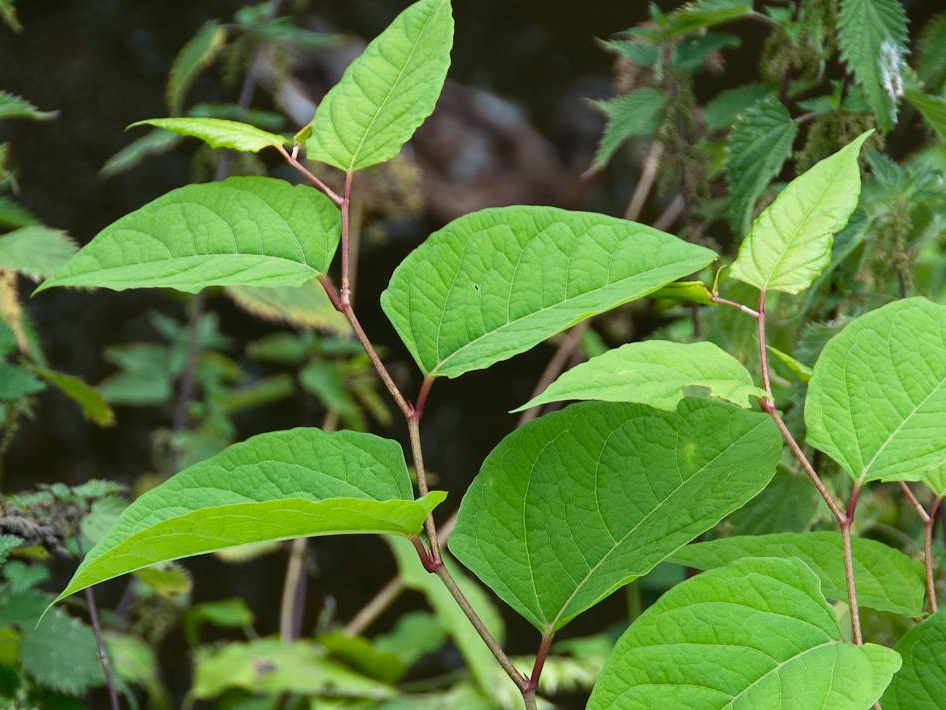
Japanese knotweed
Japanese knotweed is a highly invasive perennial plant that can rapidly colonise riverbanks, road verges and other disturbed ground. It outcompetes native vegetation, leading to reduced biodiversity, and its extensive root system can cause damage to built structures such as buildings, flood defences, roads and hard surfaces.
Japanese knotweed spreads through fragments of stem and root rather than by seed, meaning even small pieces of plant material can lead to new growth. It is therefore essential that plant material is not moved or spread between sites. Under the Wildlife and Natural Environment Act 2011, it is an offence to plant or otherwise cause Japanese knotweed to grow in the wild.
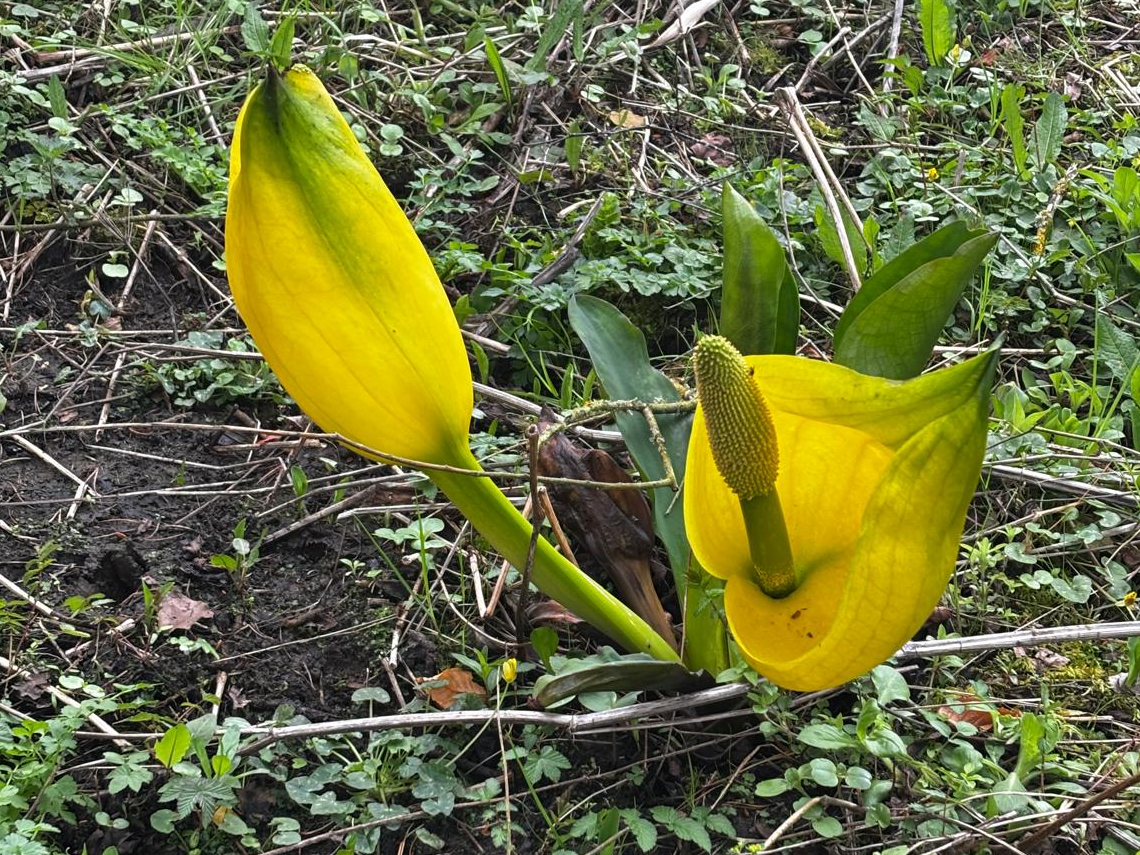
Skunk cabbage
Skunk cabbage is a distinctive plant that releases a strong odour when in bloom. It is considered an invasive species, particularly within wetland environments, where it can outcompete native vegetation. The plant forms dense colonies that block light from reaching other species, reducing plant diversity and altering habitat structure. Its seeds are readily dispersed by water, allowing it to spread into new areas. Originally introduced as an ornamental plant in the early 1900s, Skunk cabbage has since become established in a range of natural habitats. Once present, it can be difficult to control and may require sustained management to limit its spread and reduce impacts on wetland ecosystems.
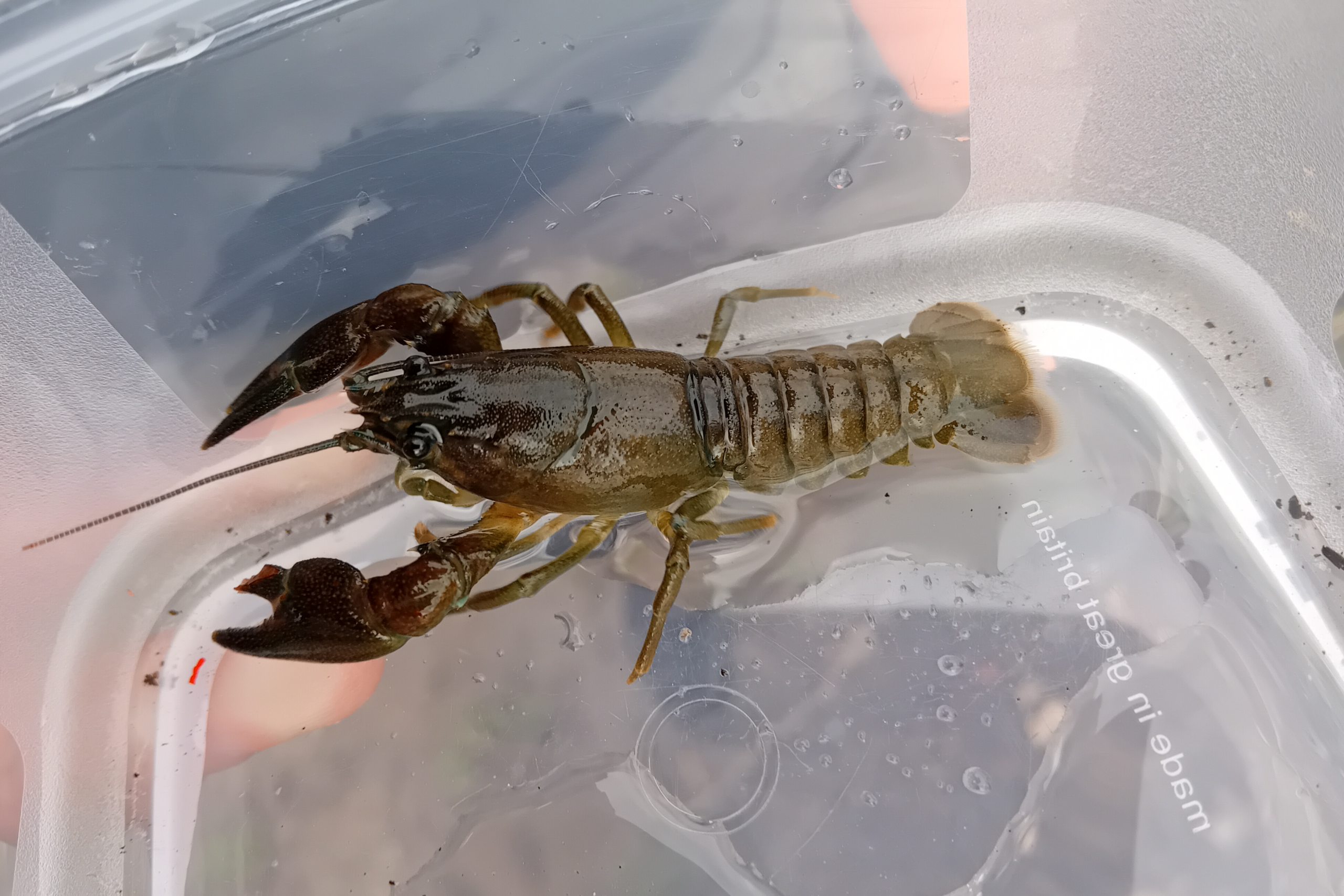
American signal crayfish
American signal crayfish were introduced to the UK for farming purposes. They are larger and more aggressive than the native white-clawed crayfish and carry a fungal plague to which the native species is highly susceptible. As signal crayfish continue to spread, white-clawed crayfish populations are increasingly threatened and becoming less common. Signal crayfish are also believed to contribute to bank erosion and may predate fish eggs, further impacting river habitats and associated wildlife.
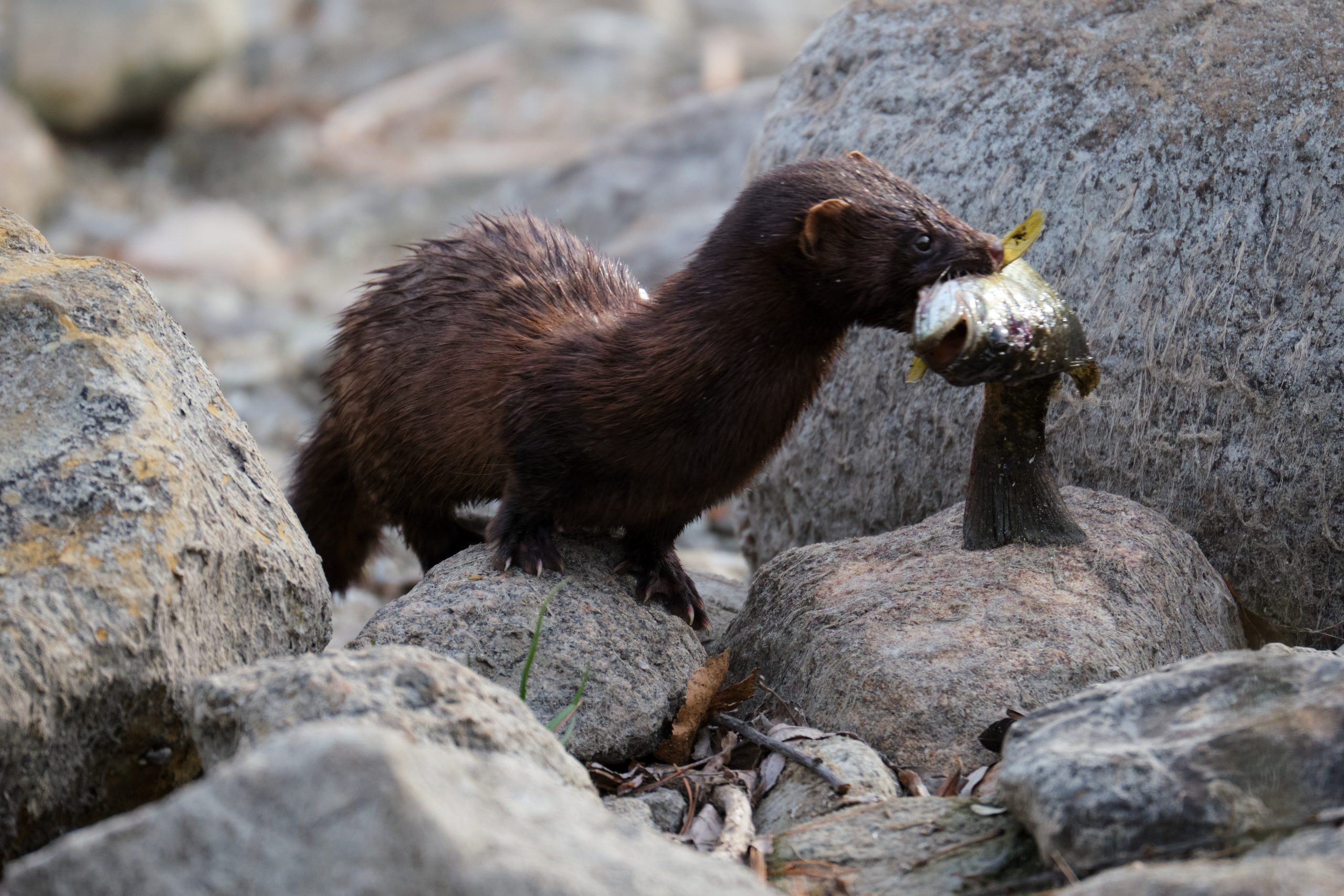
American mink
The American mink was introduced to Europe for fur farming and subsequently escaped into the wild. It is a carnivorous species that feeds on rodents, fish, crustaceans, frogs and birds. Its presence has been linked to declines in European mink and water vole populations. As an efficient predator, the American mink can have significant impacts on native wildlife across the country. These impacts are most notable for species that rely on river corridors and wetland habitats.