
Tree Planting
Tree planting plays an important role in improving river health and supporting biodiversity across the Wear catchment. At Wear Rivers Trust, we plant the right trees in the right places to strengthen river corridors, stabilise banks and enhance habitats for wildlife. By focusing on native species and catchment-appropriate locations, our tree planting work helps improve water quality, increase habitat connectivity and build resilience to climate change while supporting healthier river systems for the future.
Why Trees Matter
Climate change is driving shifts in weather patterns, including increased rainfall intensity, prolonged droughts, and rising temperatures. These changes are already affecting our rivers, leading to more frequent flooding and drought, and higher water temperatures — which are putting stress on our freshwater ecosystems and infrastructure. Many species within the River Wear and its upper tributaries in Weardale have a lethal upper temperature limit, including the iconic Atlantic Salmon, and some Mayfly species. Without more action to provide shade for these vulnerable habitats, it is possible that this temperature limit will be reached within the next 30 years.
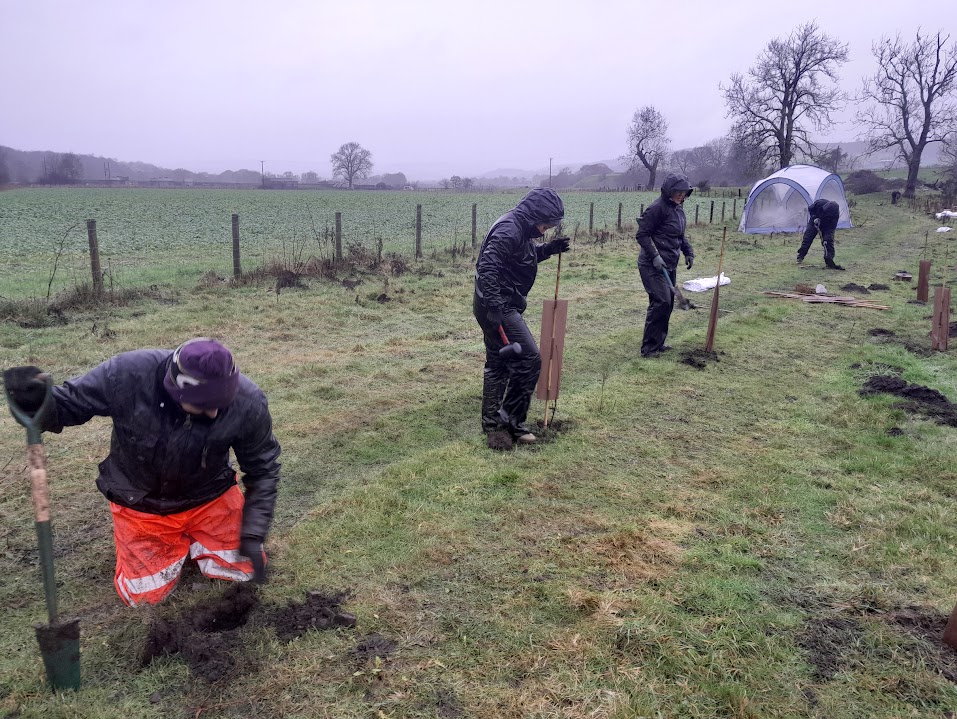
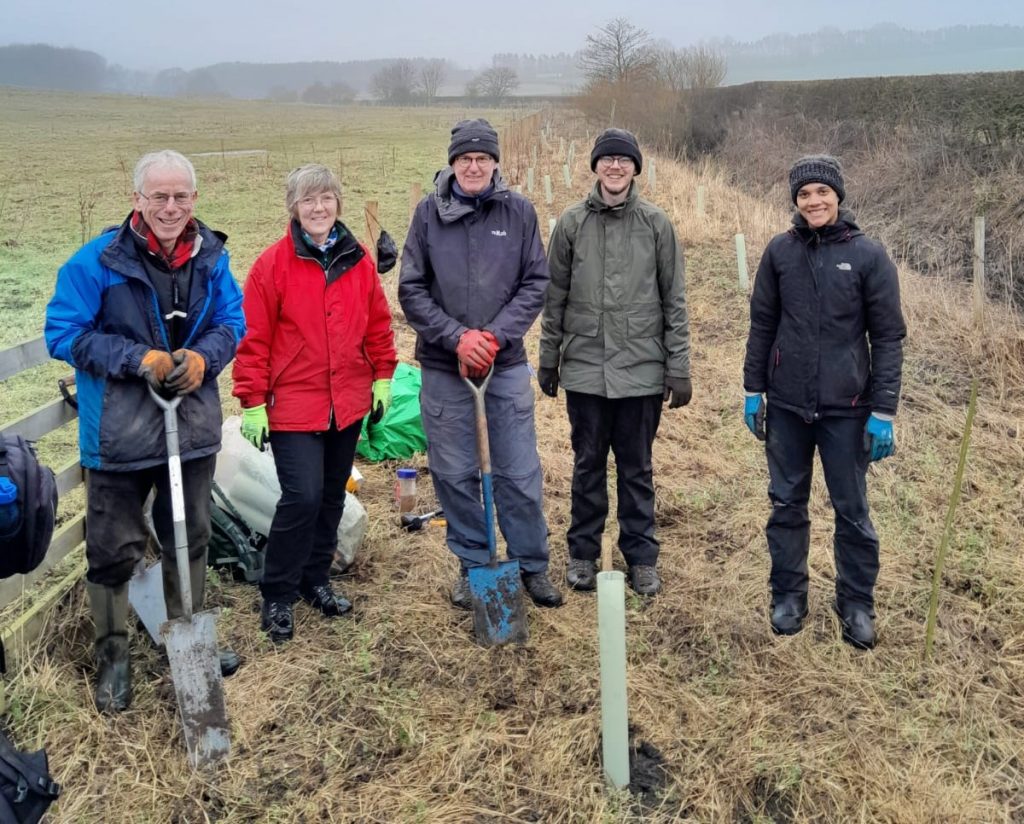
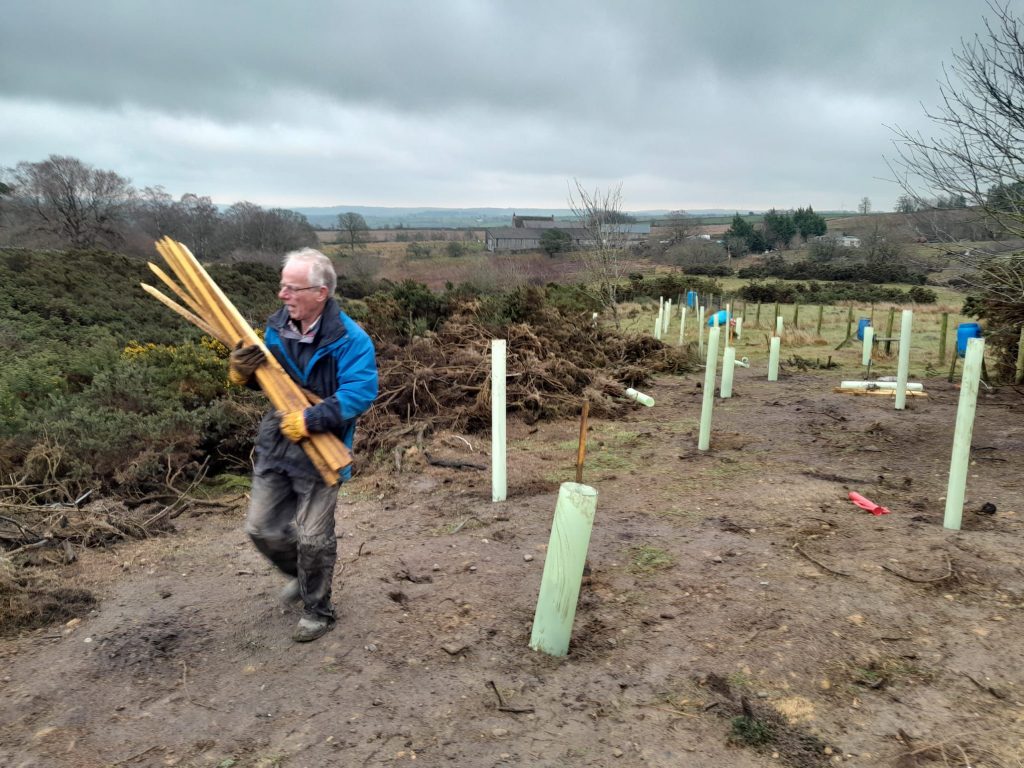
Planting the right tree in the right place is key to making sure new woodlands support, rather than harm, local ecosystems while also mitigating against climate change. This could be in the form of hedgerow planting, or the creation of riparian woodland – the natural belt of trees and vegetation that grows beside watercourses. Together, riparian woodlands and hedgerows strengthen the ecological network of our catchment, and provide the following benefits for our river systems:
Cooling Rivers: In healthy river systems, tree canopy naturally provides shade that helps to buffer extreme temperatures. Much of our riparian tree cover has been lost due to urban development and agriculture. By prioritising riparian woodland planting, we hope to restore our cool waters.
Reducing Erosion & Improving Soil Health: Tree roots bind and stabilise riverbanks, reducing the risk of erosion and helping to prevent sediment from being washed into the water.
Supporting Cleaner Water: Riparian woodlands and hedgerow barriers act as natural filters, trapping pollutants and nutrients before they reach the river, improving overall water quality.
Natural Flood Management: Tree roots help to ‘slow the flow’ of water by intercepting rainfall, enhancing soil infiltration, and reducing the risk of flooding downstream. Fallen trees can also create natural leaky dams in watercourses and aid the natural river processes of erosion and deposition.
Boosting Biodiversity: Riparian habitats and hedgerows provide food, shelter, and corridors for wildlife – from insects and nesting birds to fish and mammals. Much of our existing woodland and hedgerows are small and fragmented. By increasing riparian woodland cover and planting hedgerows, we can recreate these corridors and connect ecosystems across the catchment.
Climate Resilience & Carbon Storage: Trees and hedgerows capture and store carbon, helping to mitigate climate change while making our landscapes more resilient to its impacts.
Case Study
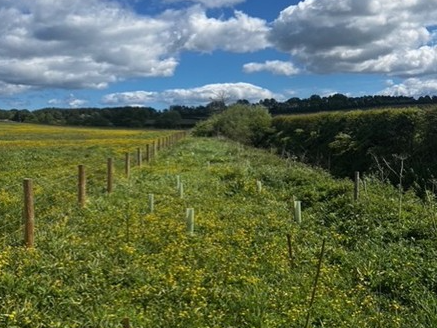
In February 2025, WRT staff and volunteers planted up 0.25 hectares of broadleaf riparian woodland along Coalford Beck. We planted a combination of young trees (whips) and locally sourced Willow cuttings (pegs), collected with volunteers, to plant at this site. Species like Willow and Alder are great for these riparian areas and boggy ground, as the roots can tolerate waterlogged soil and being submerged in water.
Before the fence was erected to create a buffer zone between the field and the river, the land was grazed right up to the edge of the riverbank. This can contribute to poor water quality from animal excrement entering the watercourse. It also increases erosion risk due to a lack of vegetation cover and soil structure from plant roots, as well as the creation of paths down to the watercourse by livestock. This new riparian woodland buffer will help to filter runoff from adjacent fields, and over time will reduce the risk of erosion by stabilising the soil and providing a corridor for wildlife movement.
Get Involved
Take part in practical conservation, volunteering and community action that supports healthier rivers and thriving wildlife.
Support Our Work
Help fund vital biodiversity and conservation projects that protect habitats and deliver lasting benefits for nature and people.